
A short history of Surguja: from the Ramgarh caves to the royal state
Two thousand years of Surguja history around Ambikapur: the Brahmi-inscribed caves of Ramgarh, the temple ruins of Satmahala, the Raksel kings and their princely state, and the goddess the town is named after.
Surguja is often described as forest and hill country, and it is. But the land around Ambikapur also holds some of the oldest written words in central India, the ruins of medieval temples, and the story of a princely state that lasted until India’s independence. Here is that history in brief, with the places where you can still see it.
Inscriptions in the rock: the Ramgarh caves
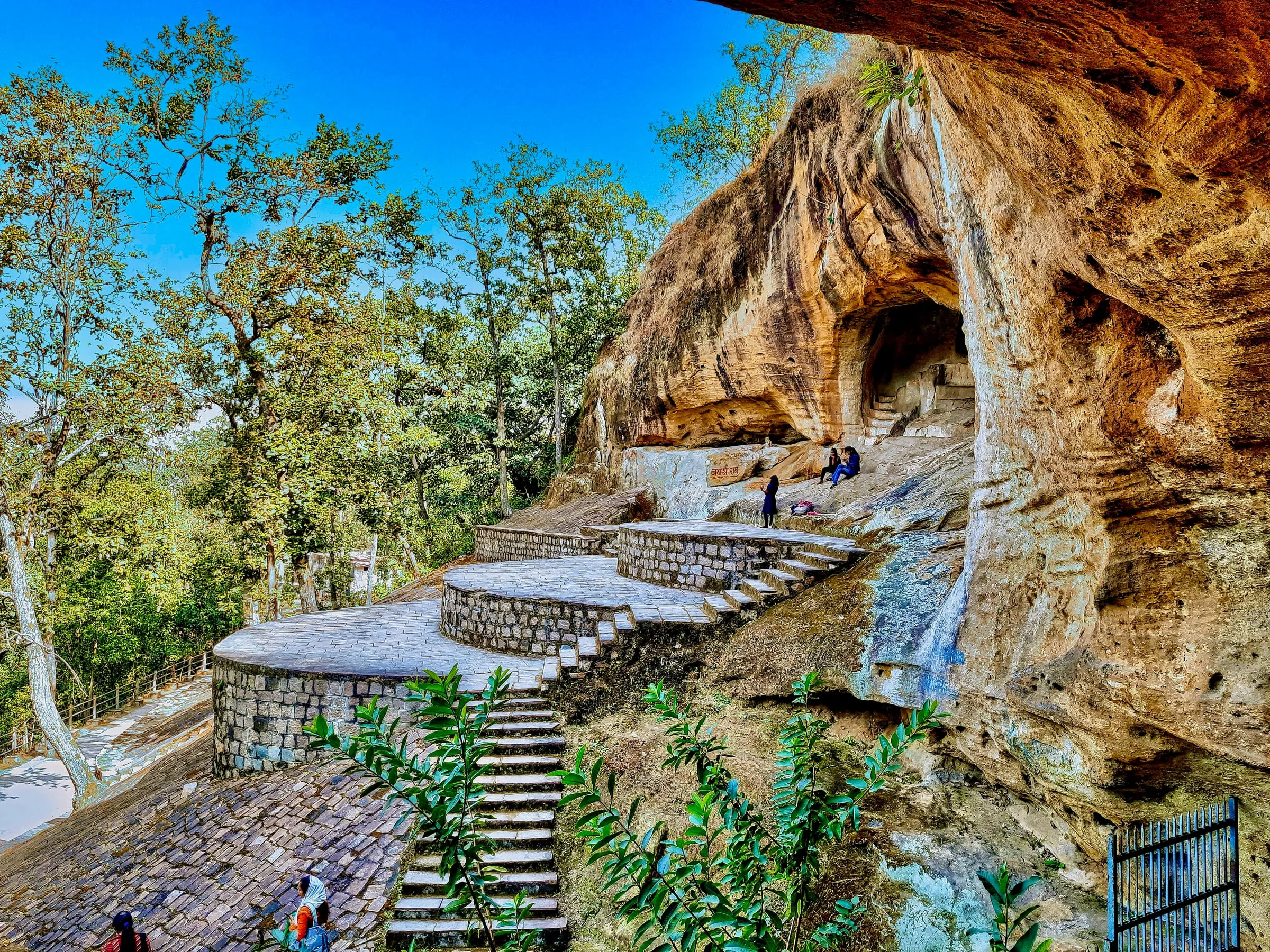
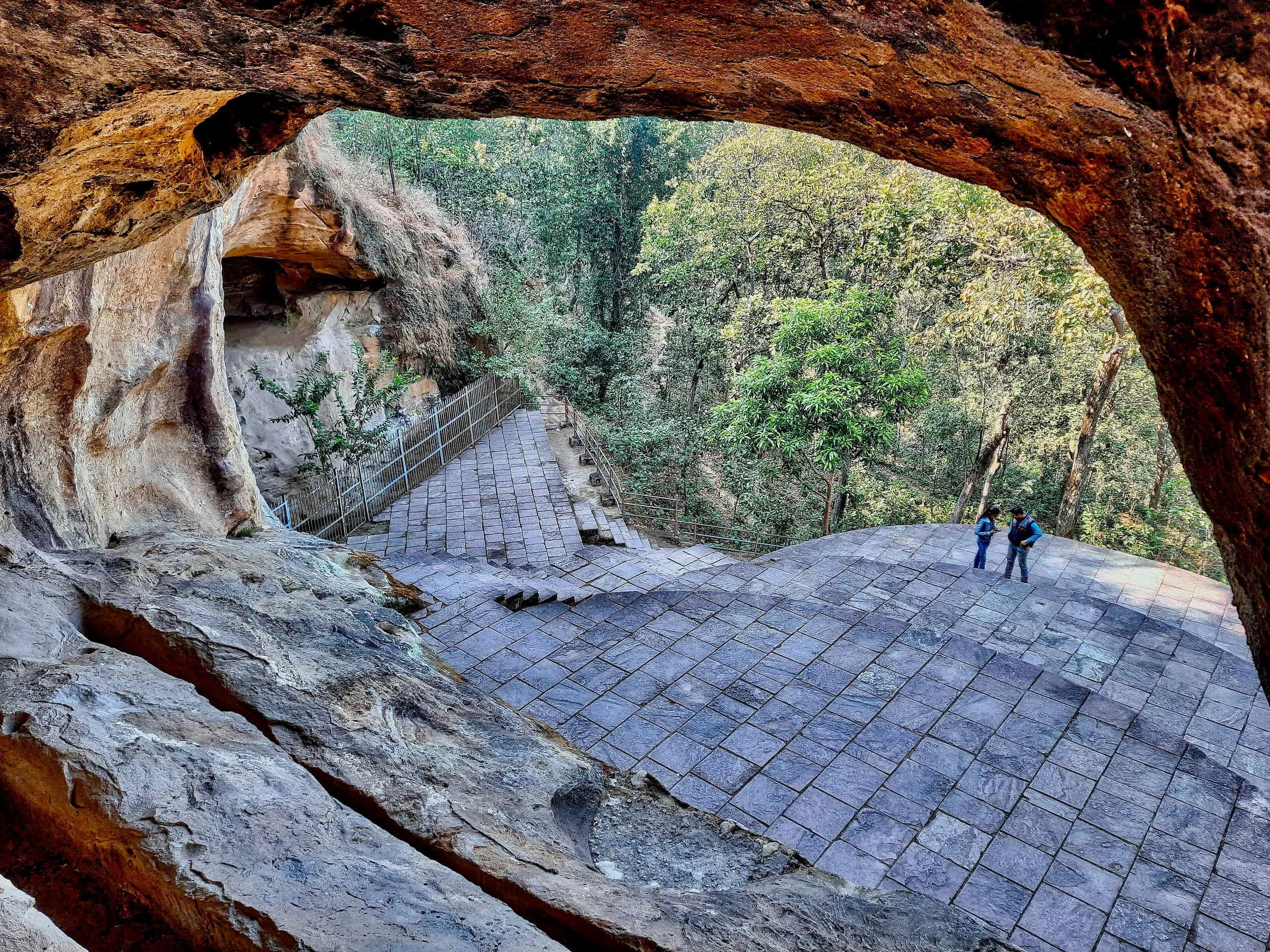
About 45–50 km from Ambikapur, the Ramgarh hills hold two small caves cut into the rock, Sitabengra and Jogimara. Scholars date them to roughly the 3rd to 1st century BCE, which makes them among the oldest man-made spaces in the region.
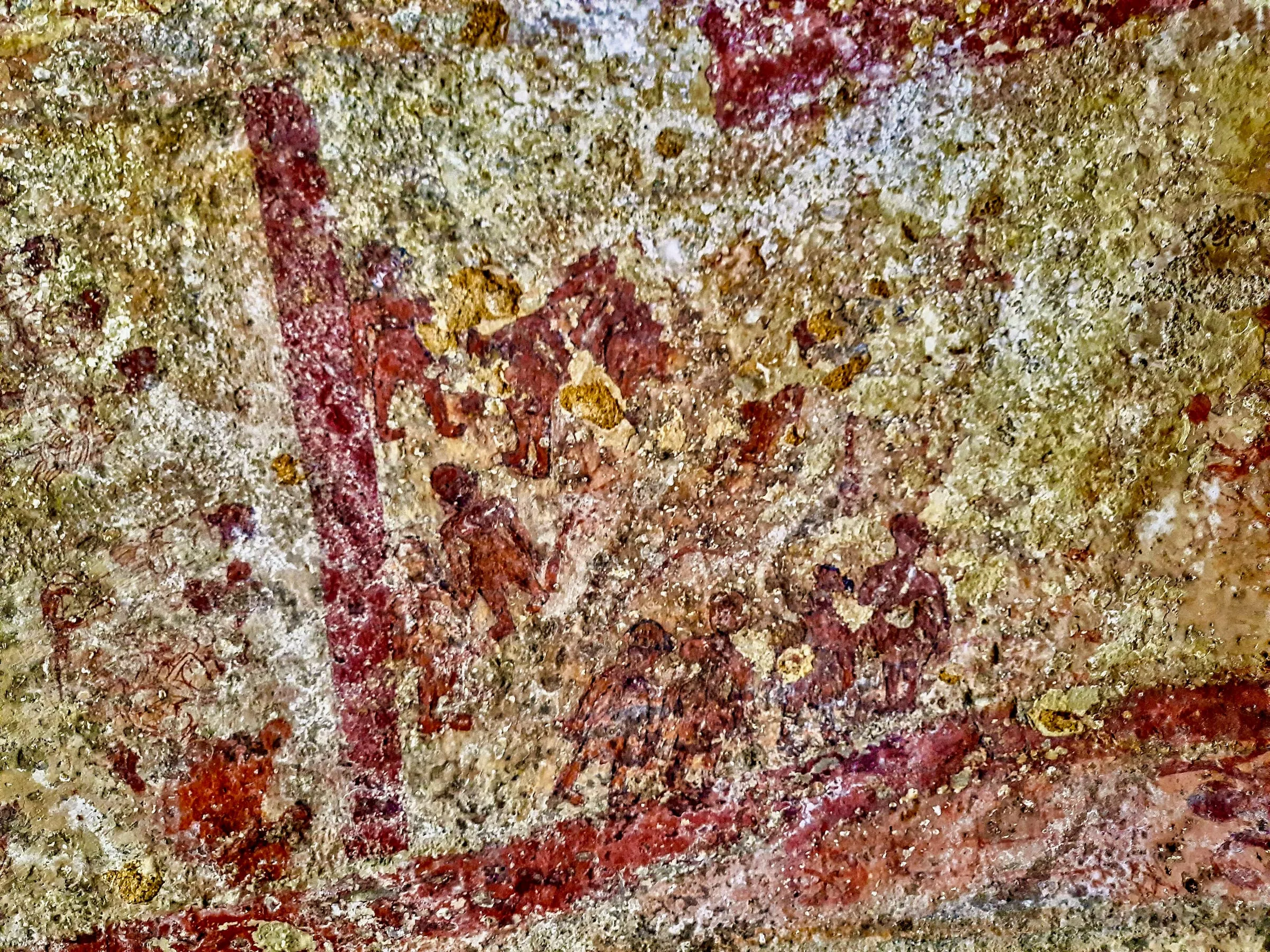
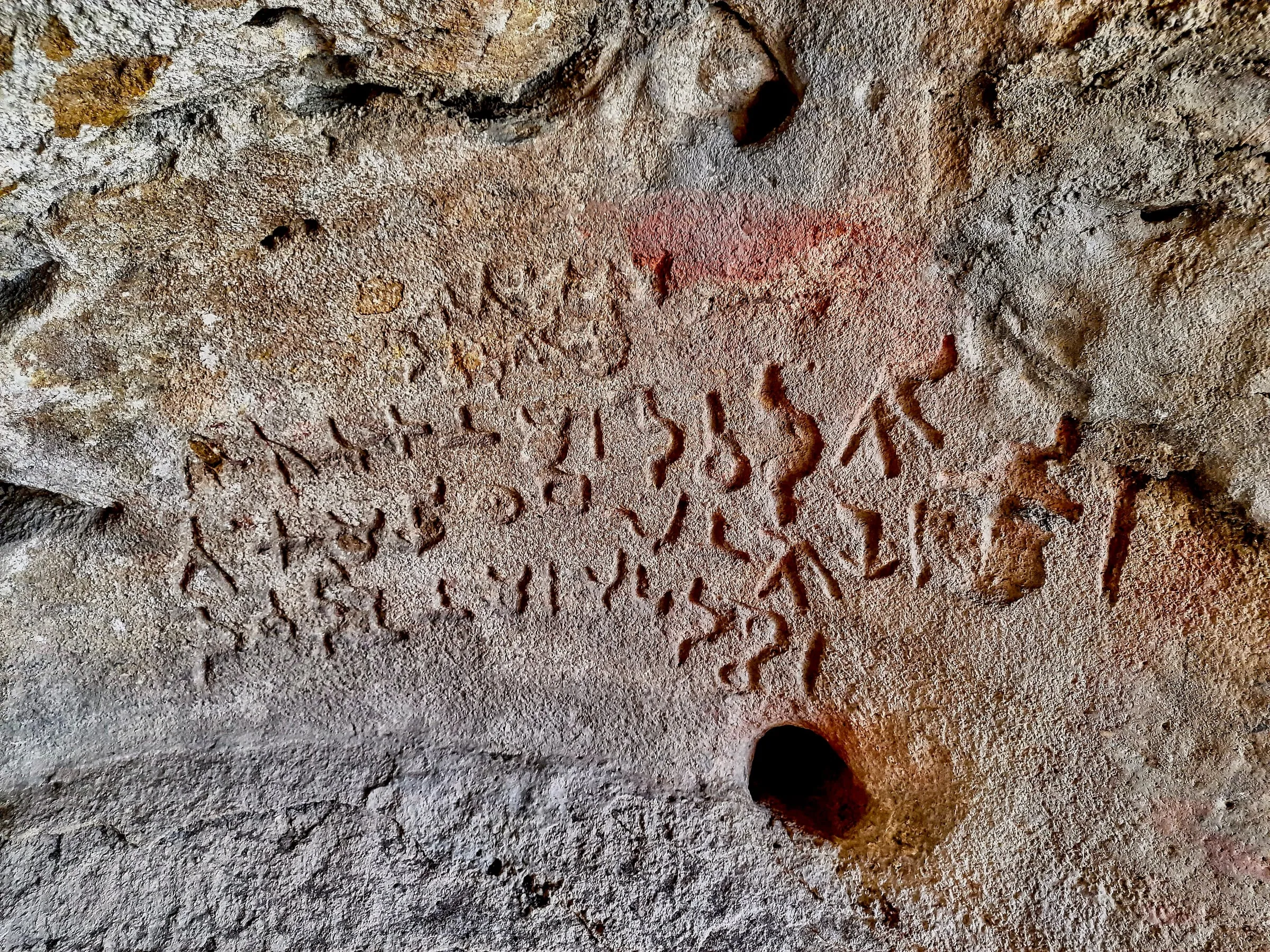
Jogimara carries a short inscription in the Brahmi script, in a Magadhi Prakrit language. It names a woman, Sutanuka, described as a devadasi, and a man called Devadinna. It is the oldest known use of the word devadasi, though here it probably works as a personal title rather than the later temple role. Scholars disagree on what the lines mean: some read a love note, others a dedication of a rest house. Traces of very old paintings survive on the ceiling.
Sitabengra has rows of rock benches rising in front of a raised floor. That layout is why it is often called one of the oldest theatres in India, though some scholars think it was a shelter for travellers instead.
Local tradition links the hill, known as Ramgiri, with Rama’s exile, and with the poet Kalidasa, whose Meghaduta opens at a place called Ramagiri. Many scholars place Kalidasa’s Ramagiri at Ramtek near Nagpur instead. Either way, the story is part of how Surguja sees its past.
Temples in the forest: Satmahala
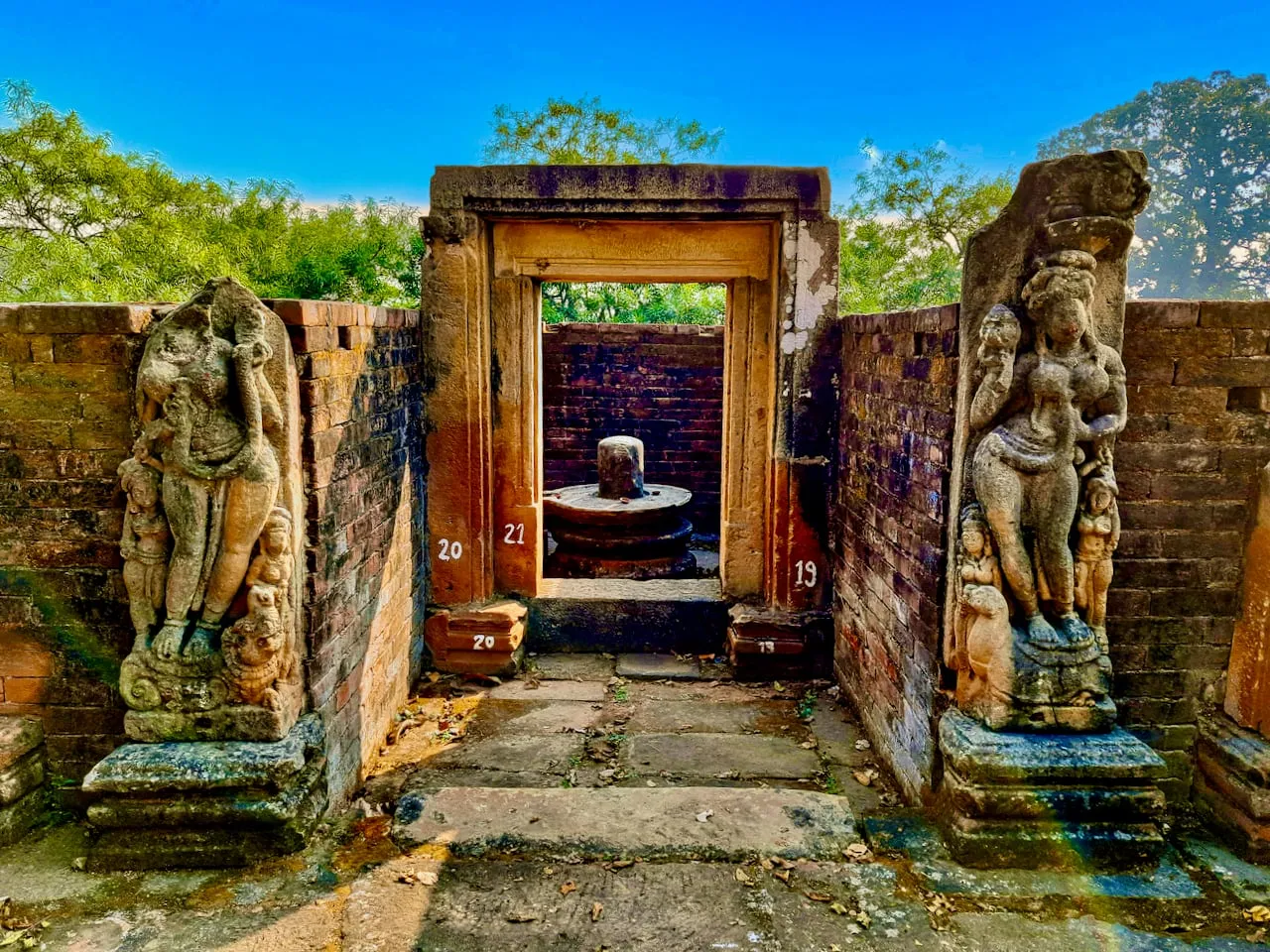
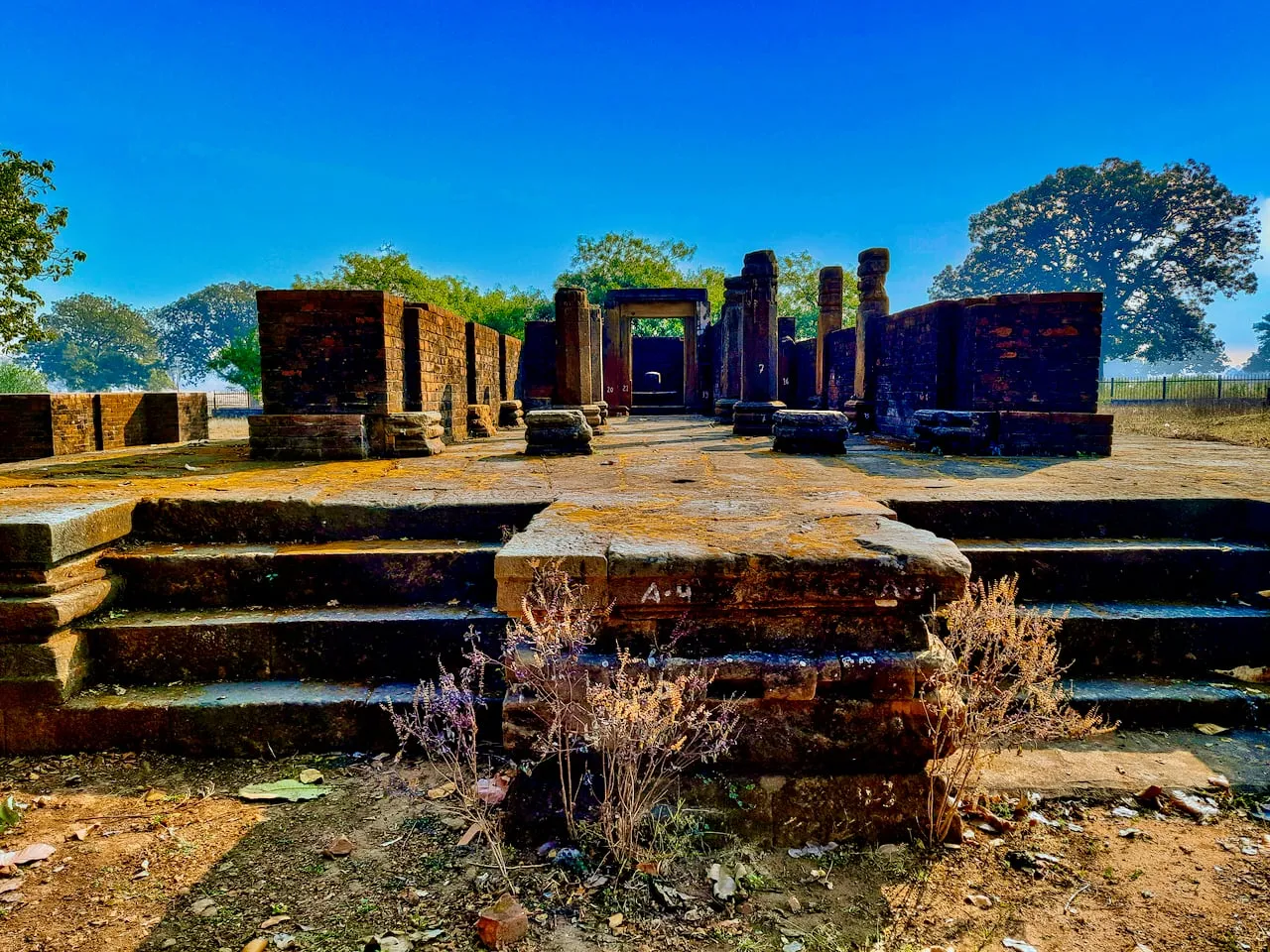
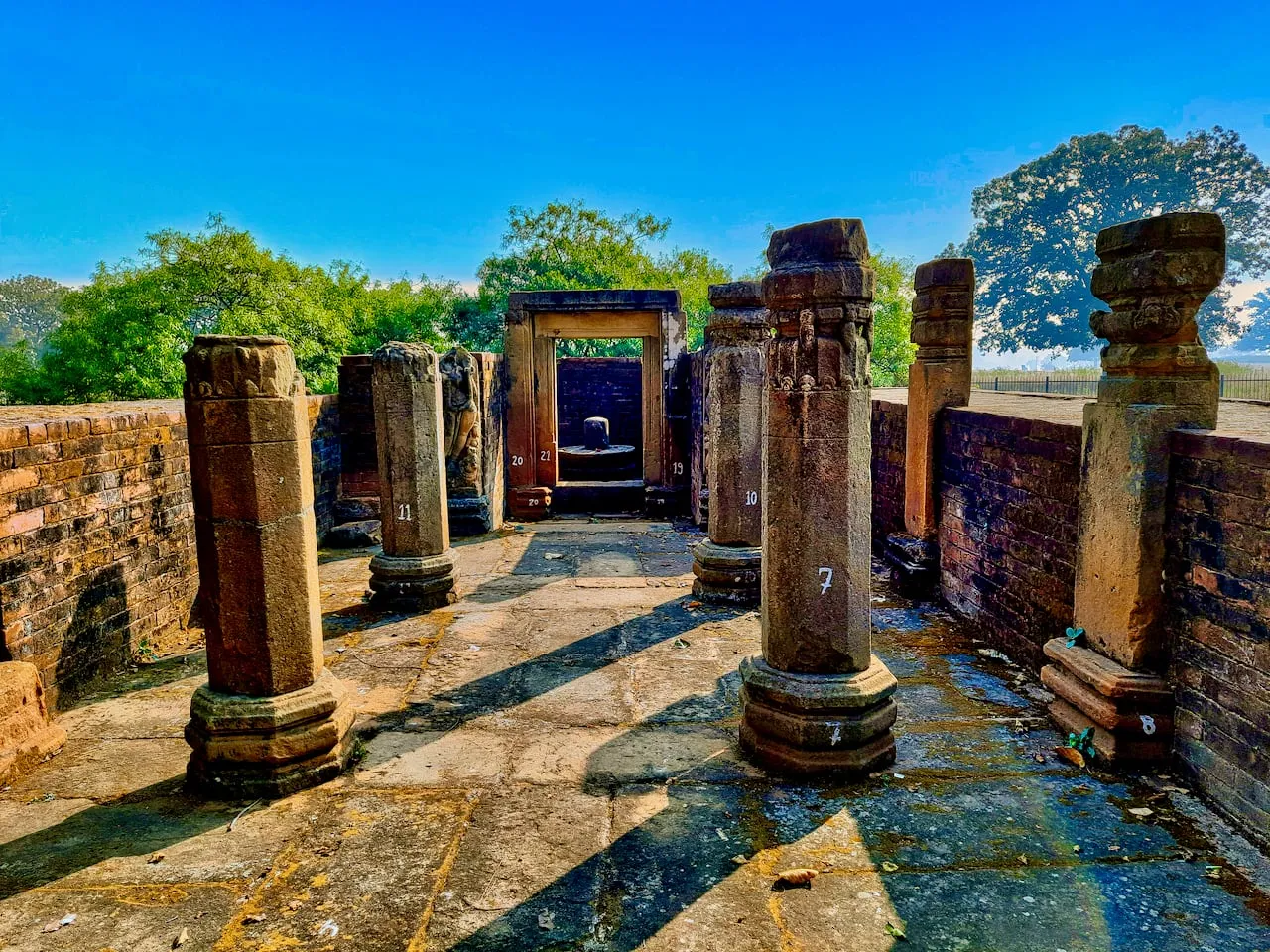
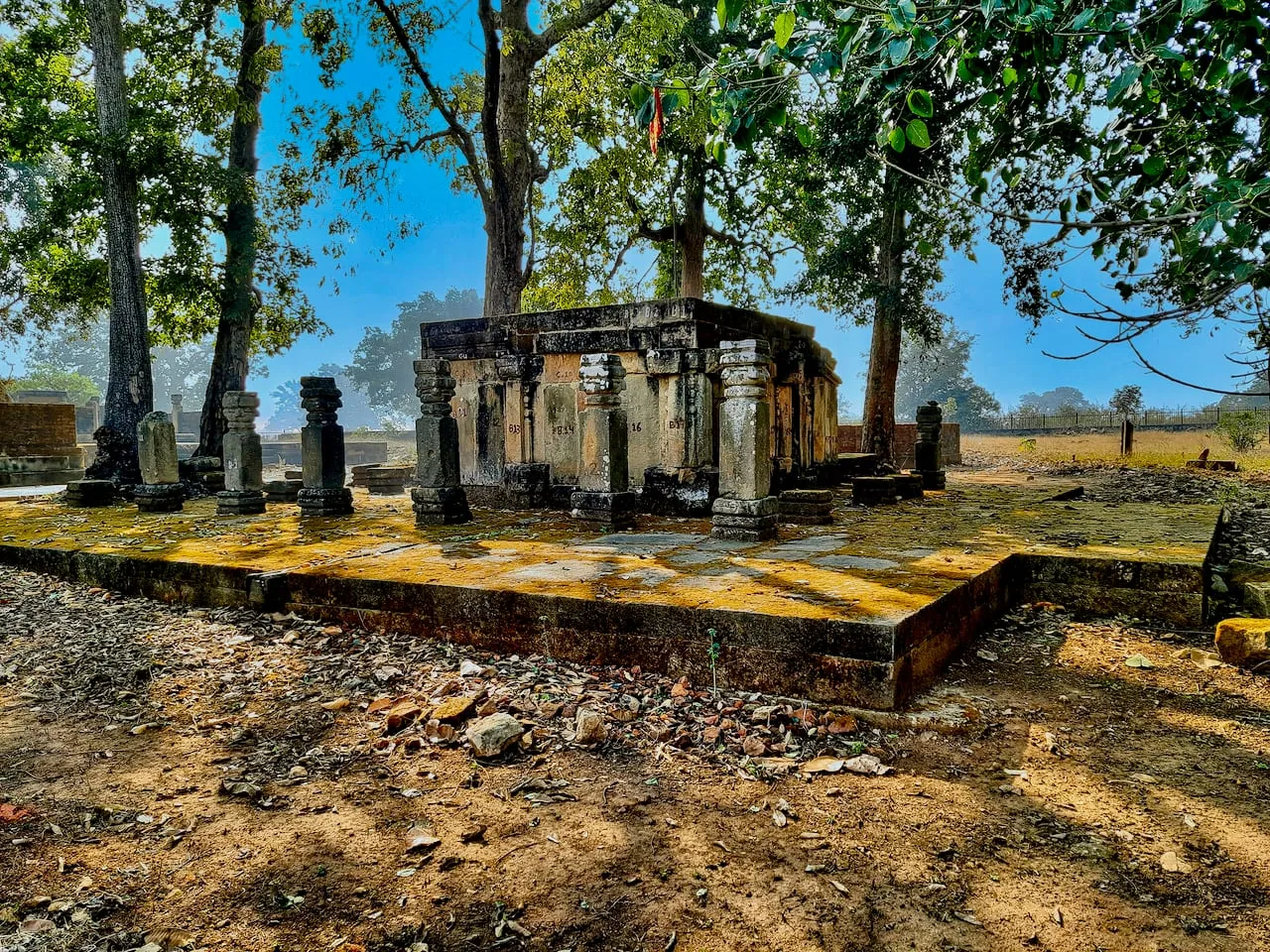
At Bhadwahi, in Kalcha village about 40 km from Ambikapur, lie the ruins of Satmahala, the “seven palaces”. They are in fact a group of brick and stone temples beside old man-made reservoirs. They are usually dated to between roughly the 8th and 11th centuries, a period when dynasties such as the Somavanshis and the Kalachuris held sway over this part of central India. Carved doorframes and sculptures have been uncovered in excavations. Many more such sites lie scattered through Surguja’s forests, a reminder that this “remote” region was once well travelled.
The Raksel kings and the princely state
For several centuries Surguja was ruled by the Raksel (also written Rakshal) dynasty, a Rajput family said to have come from Palamu in present-day Jharkhand. Their capital was Ambikapur. Under British rule Surguja was a princely state, ruled by its own Maharajas, and it remained so until it joined the Indian Union on 1 January 1948.
After independence the region became part of Madhya Pradesh, and since 2000 it has been part of Chhattisgarh. The old district has since been divided: Koriya was carved out in 1998, and Balrampur-Ramanujganj and Surajpur in 2012. Ambikapur remains the headquarters of Surguja district and the main town of the north.
The goddess and the town
Ambikapur takes its name from the goddess Ambika, worshipped here as Maa Mahamaya. Her temple on the eastern hills of the town was built by Maharaja Raghunath Sharan Singh Deo, who ruled Surguja in the late 19th and early 20th centuries. Local belief holds that the torso of the goddess is enshrined here while her head is at the Mahamaya temple in Ratanpur, so many pilgrims visit both.
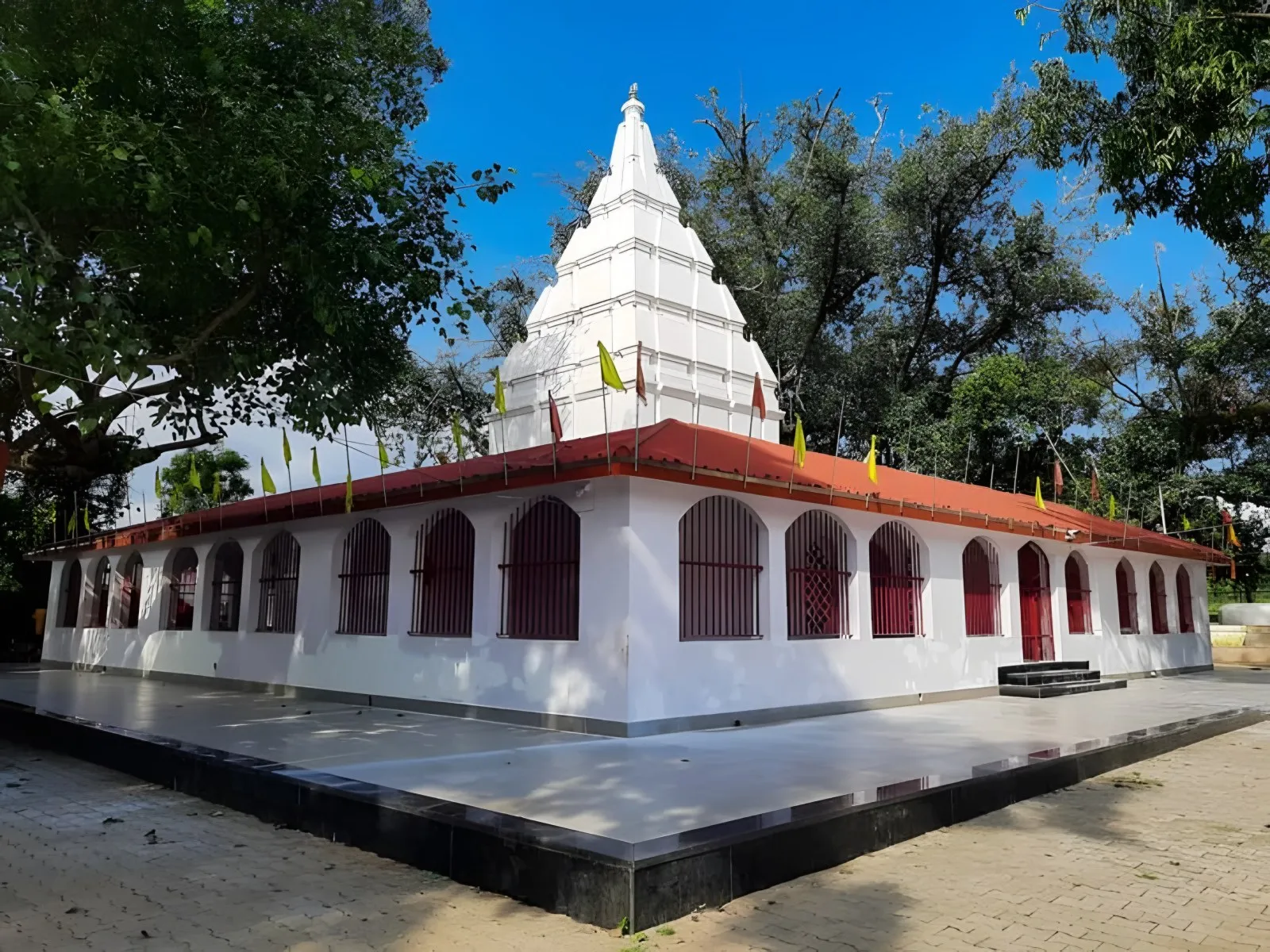
Raghunath Palace
In town stands Raghunath Palace, also called Surguja Palace: a long, white, two-storey building that was home to the former royal family. It is usually seen only from outside. By local tradition the palace opens to the public on Dussehra, when members of the family meet visitors; ask locally before you plan around it.
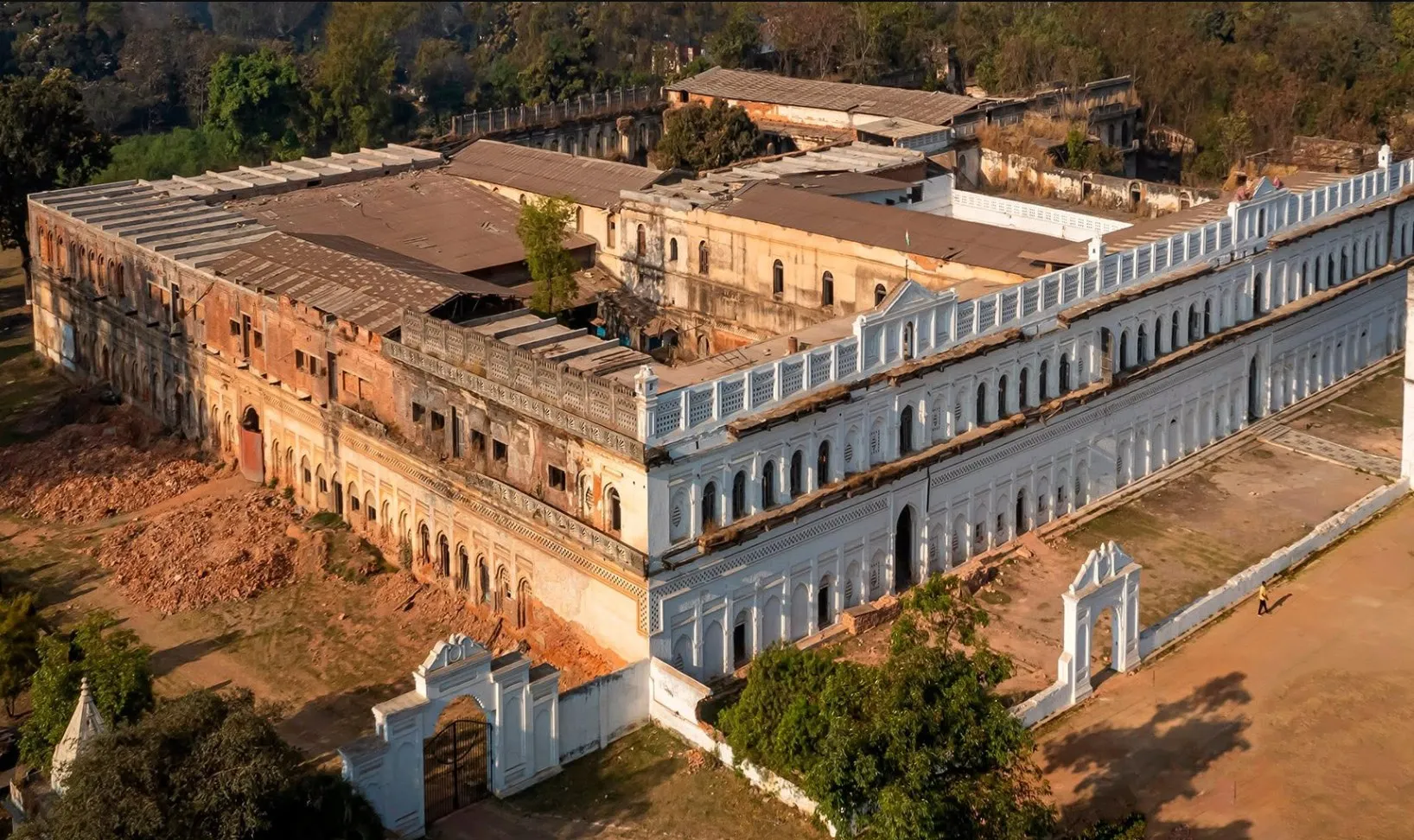
A living culture
History in Surguja isn’t only in stone. More than half of the district’s people belong to Adivasi (Scheduled Tribe) communities, including the Gond, Oraon, Kanwar, Korwa, Nagesia and Rajwar. The Pahari Korwa are recognised as one of India’s particularly vulnerable tribal groups. Their festivals and dances shape the year: the Karma dance around the Karma festival, and Shaila, a men’s dance performed after the harvest. You are most likely to see them at local festivals such as the Mainpat Mahotsav.
Seeing it for yourself
All of these places can be visited from Ambikapur. Our three-day Surguja travel guide puts them into a simple plan, and our season-by-season guide tells you when each one is at its best.
Dates and readings for ancient sites come from published archaeological studies and may be revised as research continues. Legends are given as legends.