
Mainpat: a guide to the "Shimla of Chhattisgarh"
Everything you need for a day on Mainpat from Ambikapur: the Tibetan settlement and its monastery, Tiger Point, Ulta Pani and the bouncing ground of Jaljali, the best season, and what to pack.
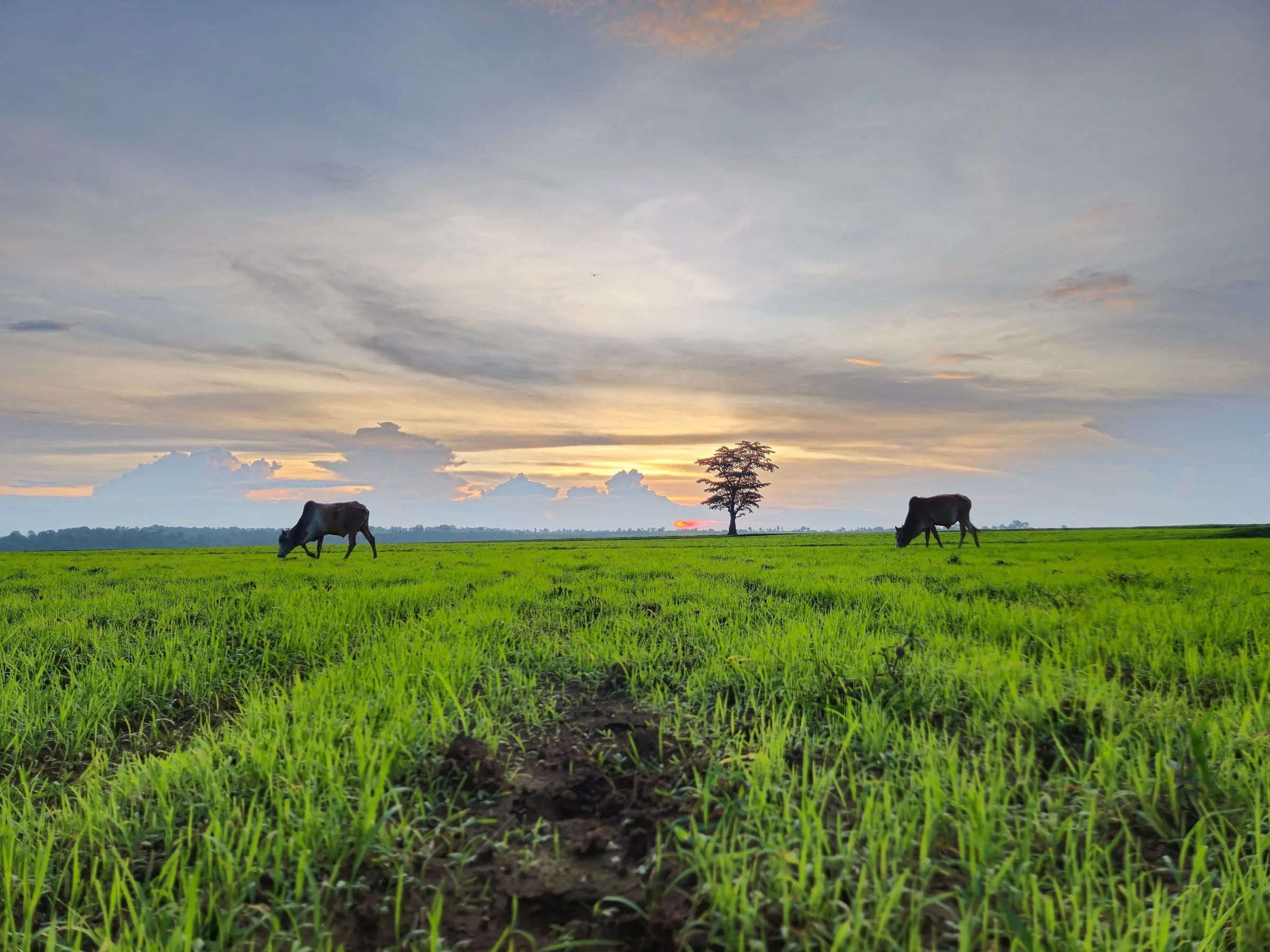
Mainpat is a broad, green plateau north of Ambikapur, standing at roughly 1,070–1,085 metres above sea level. It is noticeably cooler than the plains below, which is why it is often called the “Shimla of Chhattisgarh”. It also has something no other hill station in the state has: a Tibetan community that has lived here for more than sixty years.
Getting there
Mainpat is about 50–55 km from Ambikapur by the most direct road (some routes and signboards give longer distances). There is no regular public transport to the viewpoints, so a taxi for the day is the easiest way to go. Leave after breakfast and you’ll be back in time for dinner.
Tibetan Mainpat
In 1962, Tibetan refugees who had followed the Dalai Lama into India were given land on Mainpat. The settlement, called Phendeyling, began with about 3,000 acres for some 1,400 people, spread across seven camps within about 25 km of each other. Around a thousand Tibetans still live here, farming and keeping their traditions alive.
The best-known monastery is Dhakpo Shedupling, built in 1970. Prayer flags, stupas and prayer wheels mark the camps, and handicraft centres were set up for Tibetan carpet weaving.
A little etiquette: walk clockwise around stupas and prayer wheels, dress modestly at the monastery, and ask before you photograph people.
What to see
- Tiger Point: a waterfall pouring over a rocky ledge into a wooded gorge. It is at its fullest in and just after the monsoon.
- Fish Point: another waterfall and viewpoint, quieter than Tiger Point.
- Ulta Pani (“upside-down water”): a stream that appears to flow uphill. It is an optical illusion, a “gravity hill”, but a convincing one.
- Jaljali (also written Zalzali): a patch of spongy ground that bounces underfoot when you jump on it.
- Parpatiya viewpoint: wide views over the forests below the plateau.
When to go
- October to February brings clear, crisp days. Winters are cold: Mainpat has recorded temperatures around 3 °C in December, with frost on the grass on the coldest mornings.
- July to September is the monsoon. The plateau is at its greenest and the waterfalls at their best, but paths can be slippery and mist can close in.
- Mainpat Mahotsav, a festival with folk dances such as Shaila and Karma, music and stalls, has usually been held in February or March near the Ropakhar reservoir. Dates change each year, so check before planning around it.
- April to June is warm, though still milder than Ambikapur.
What to pack
- A warm layer from November to February, and a proper jacket for early mornings in December and January.
- Comfortable shoes with a good grip for the waterfall paths.
- Water and snacks. Food options on the plateau are simple, so don’t count on finding a meal at every stop.
- Some cash for small purchases at stalls and the handicraft centres.
Make it part of a bigger trip
Mainpat makes a perfect day out from Ambikapur. Combine it with the town’s temple and palace and the Ramgarh caves in our three-day Surguja travel guide, and read the story of the region in our short history of Surguja.