
Surguja in three days: caves, temples, a royal palace and Mainpat
A day-by-day plan for exploring Surguja from Ambikapur: Maa Mahamaya Temple, Surguja Palace, the 2,000-year-old Ramgarh caves, Satmahala and the Mainpat plateau.
Few corners of India pack so much history into a short drive. Within an hour or two of Ambikapur you can stand in rock-cut caves carved more than two thousand years ago, walk among the ruins of medieval temples, see the palace of the old Surguja kings, and spend an afternoon on a cool plateau where Tibetan families have lived since the 1960s.
This guide turns that into a simple plan: three days, one base.
A little history first
Ambikapur takes its name from the goddess Ambika, worshipped here as Maa Mahamaya. For more than three centuries the town was the seat of the princely state of Surguja, ruled from here until the state joined the Indian Union in 1948. The forested hills around it are far older in human memory. Local tradition connects the Ramgarh hills with Rama’s exile, and with the poet Kalidasa, who is said to have imagined his Meghaduta (“the cloud messenger”) among them.
You don’t need to know any of this to enjoy the region, but it makes every stop more rewarding.
When to go
- October to March is the most comfortable time, with clear, cool days that suit the caves and the climb at Ramgarh.
- July to September is monsoon season. Mainpat is at its greenest and the waterfalls are at their fullest, but trails can be slippery.
- Chaitra and Sharad Navratri bring large crowds to the Mahamaya temple. Book rooms early for those weeks.
- Dussehra is, by local tradition, the day Surguja Palace opens to the public.
Day 1: Ambikapur’s temple and palace
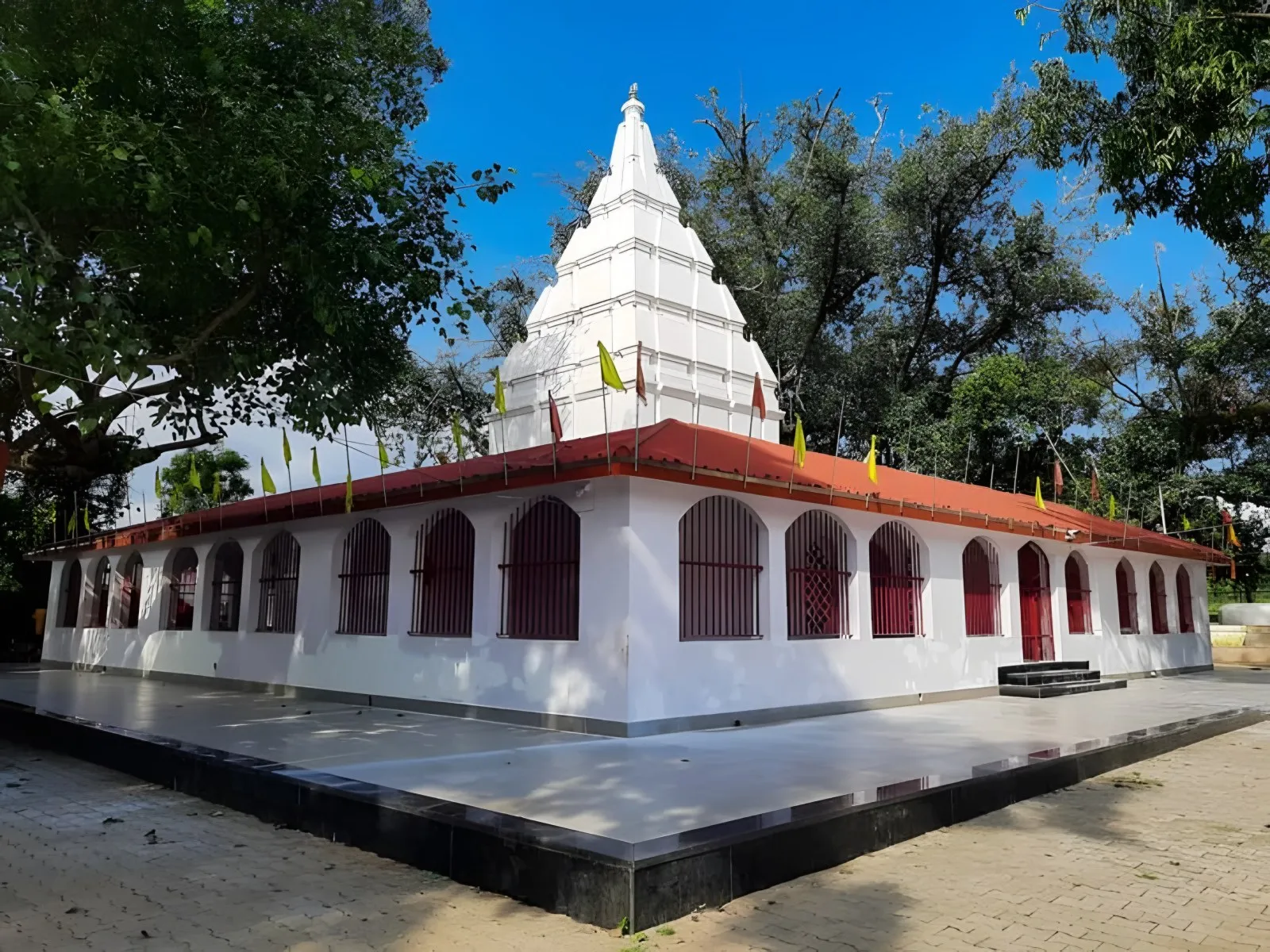
Maa Mahamaya Temple
Start early at the temple on the eastern hills of the town, before the day warms up. The present temple is credited to Maharaja Raghunath Sharan Singh Deo of Surguja. Local belief holds that the torso of the goddess is enshrined here, while her head is at the Mahamaya temple in Ratanpur, which is why many pilgrims visit both. Directly opposite stands the smaller temple of Samleshwari Devi.
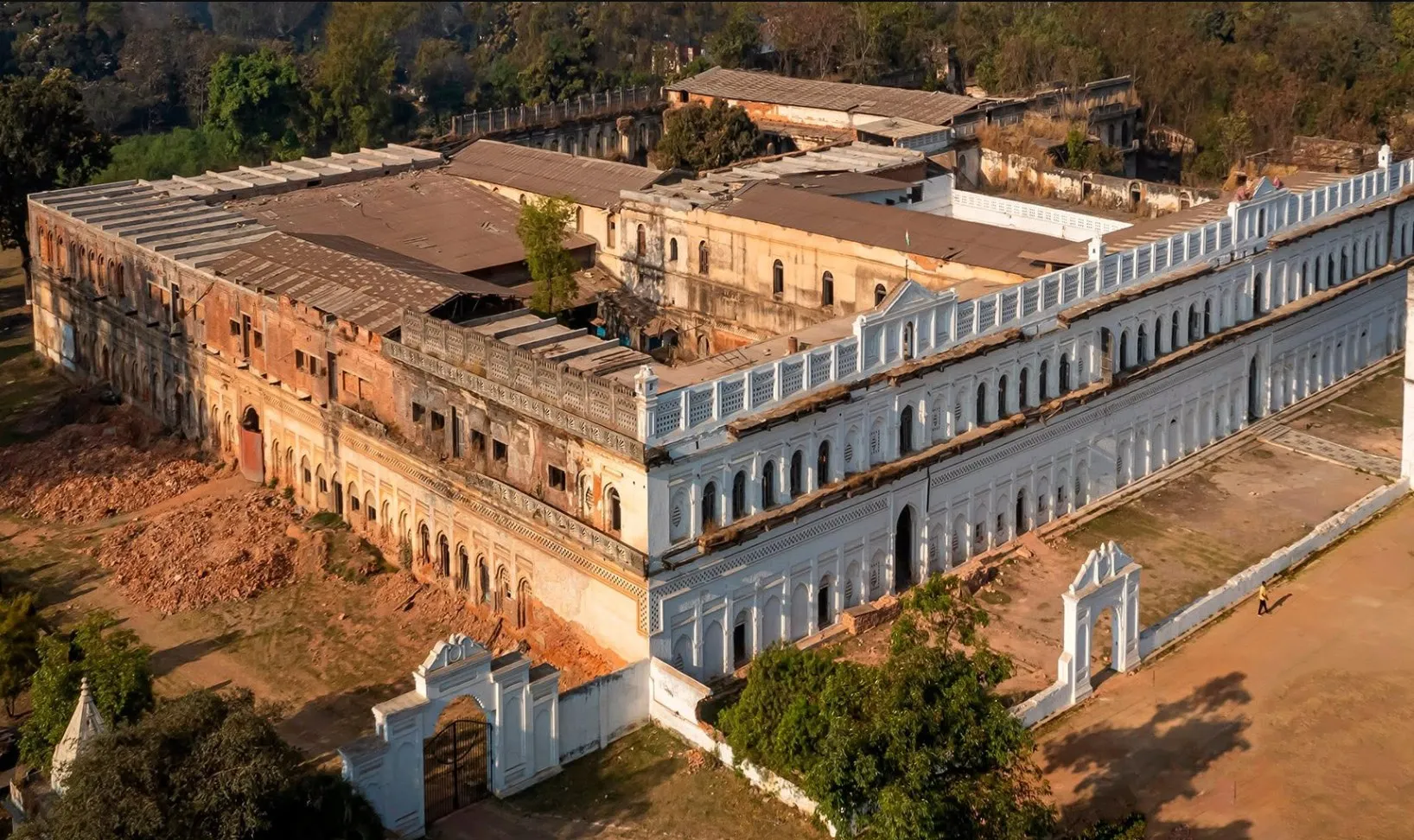
Surguja Palace
From the temple, head into town to Surguja Palace, also called Raghunath Palace, the white, two-storey home of the former royal family. On most days you can only see it from outside. On Dussehra, by an old tradition, the palace opens its doors and members of the royal family meet the public, a custom that draws people from across the district.
Evening: come back to the hotel for sunset over the lake, and dinner at Atharva, our pure-vegetarian restaurant downstairs.
Day 2: Satmahala and the Ramgarh caves
Today follows the road southwest towards Udaipur (the Surguja one). Leave by 8 am, carry water, and wear shoes with a good grip.
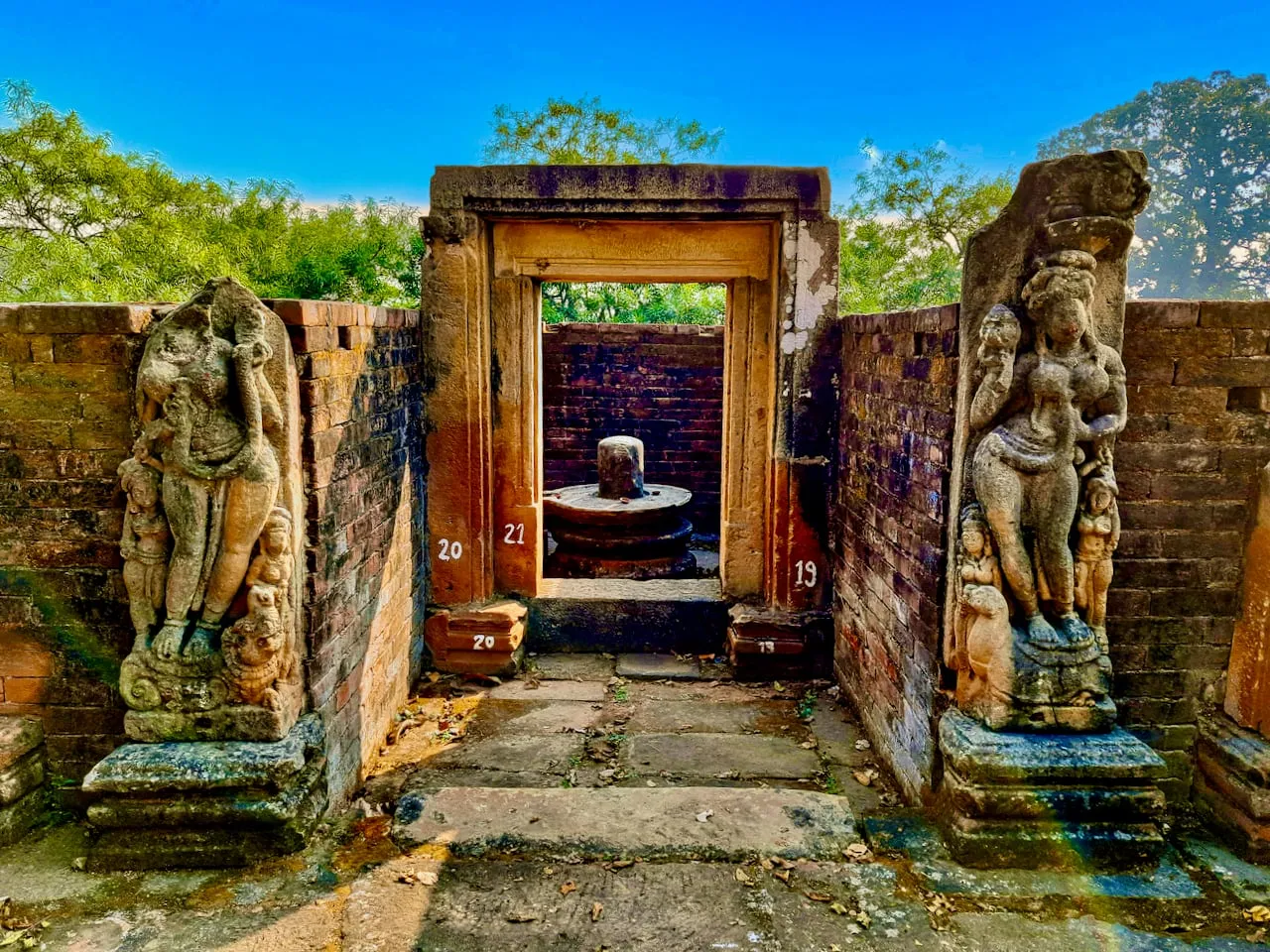
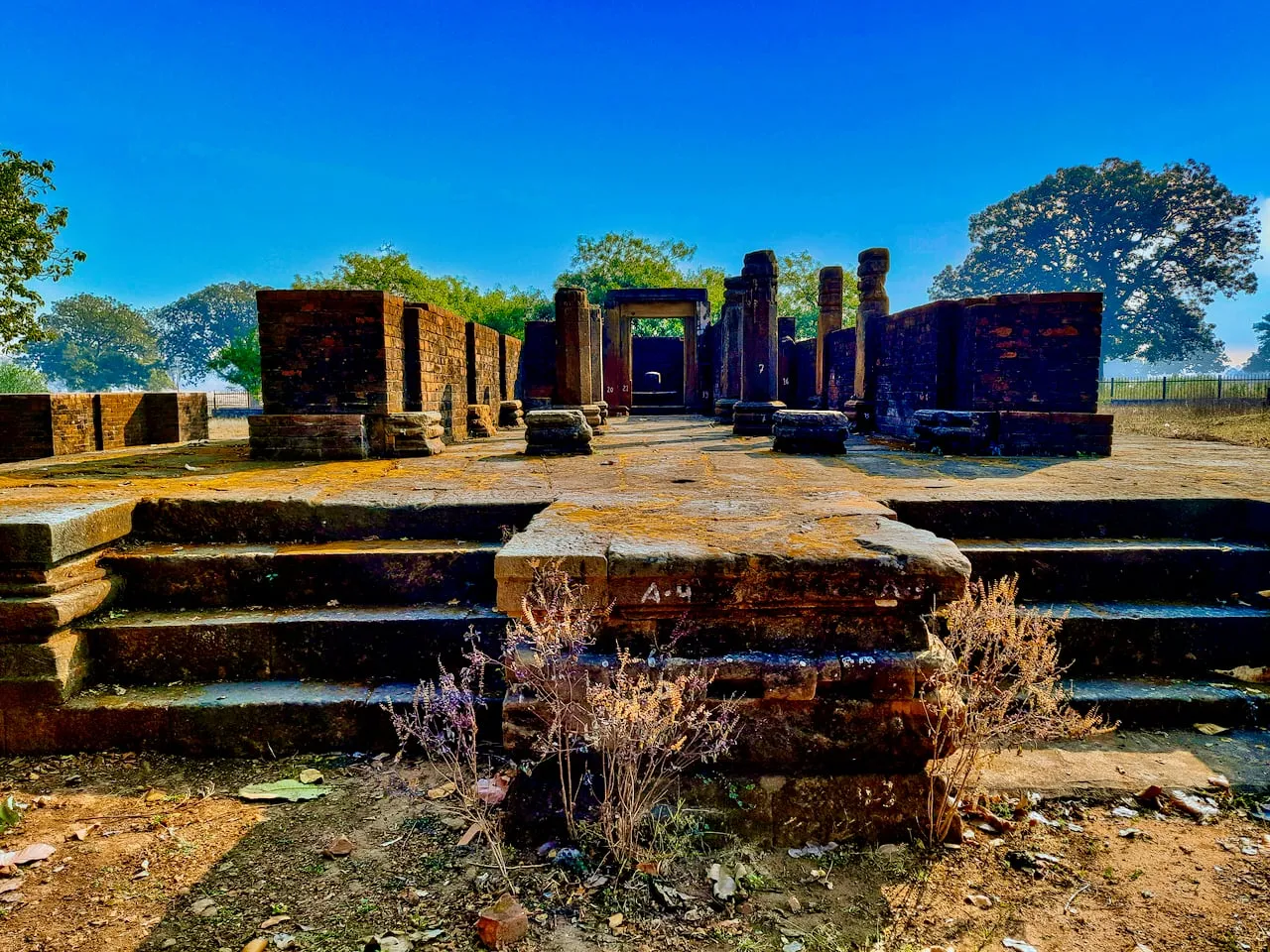
Satmahala, Kalcha–Bhadwahi
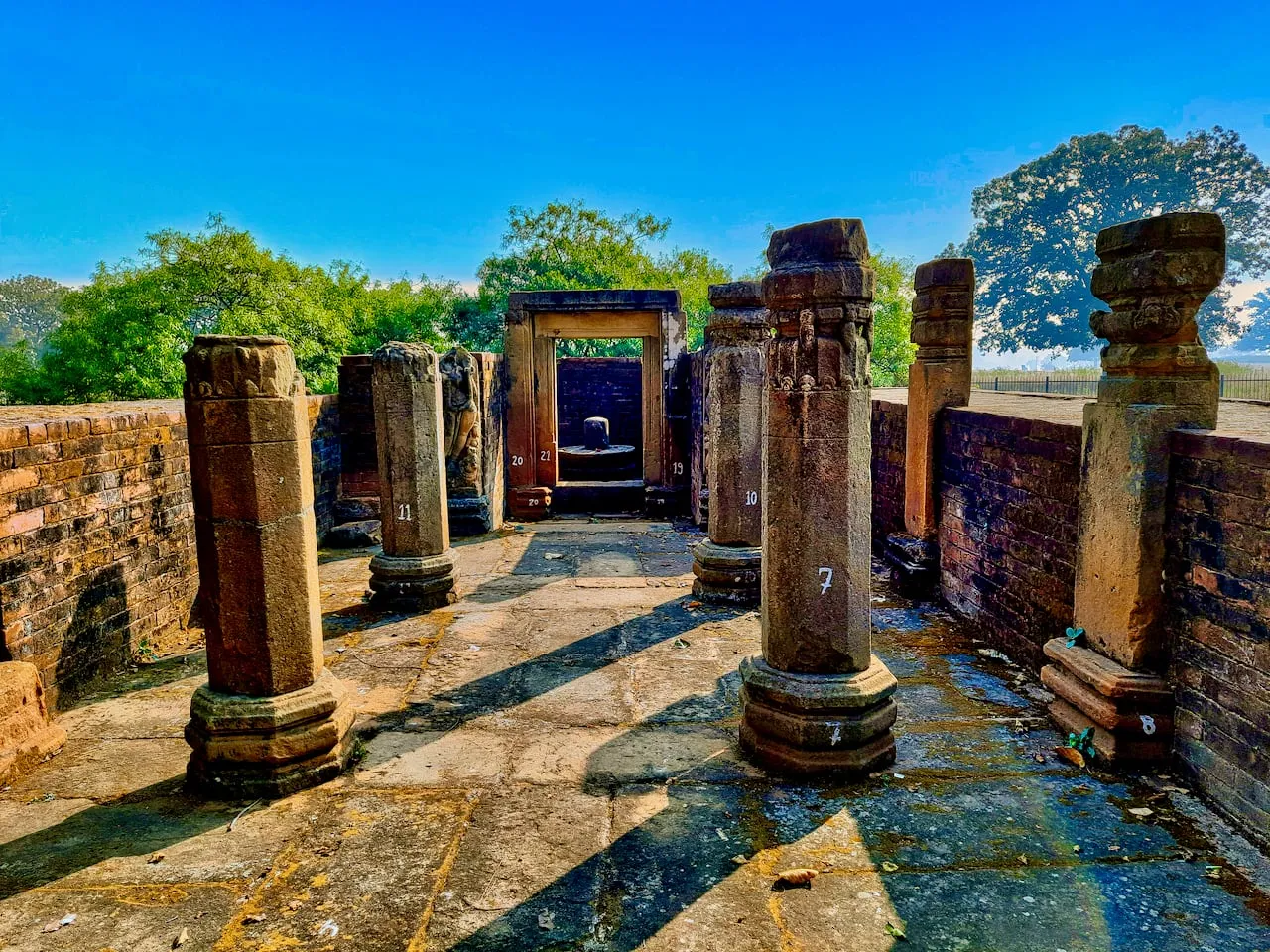
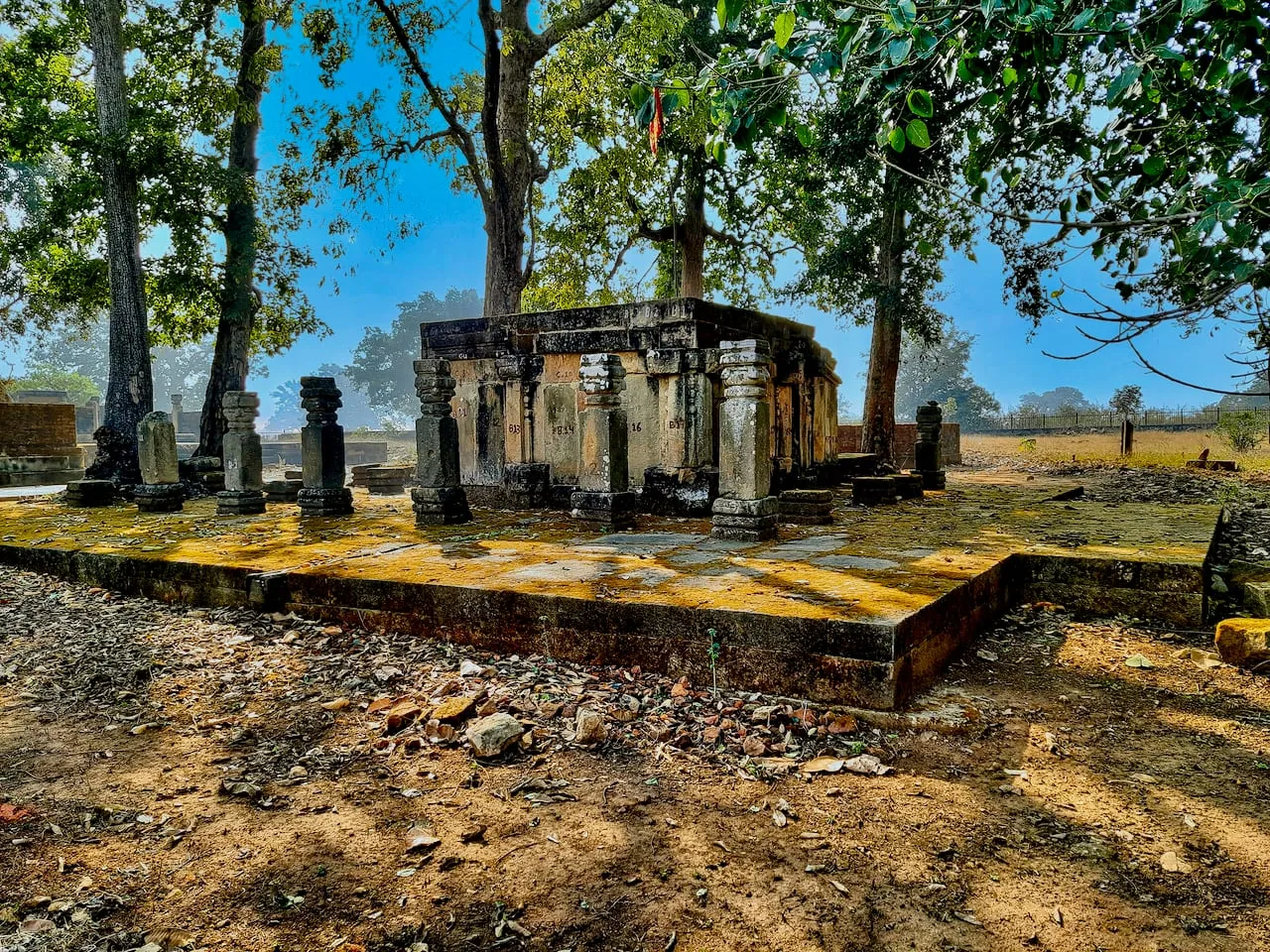
About 40 km from Ambikapur, Satmahala (“seven palaces”) is a group of brick and stone temple ruins beside old man-made reservoirs. The name comes from the seven temples first found here; excavations have since uncovered more, and the group is usually dated to roughly the 8th to 12th centuries. Look for the carved figures that frame the temple doorways.
Ramgarh hills: Sitabengra and Jogimara
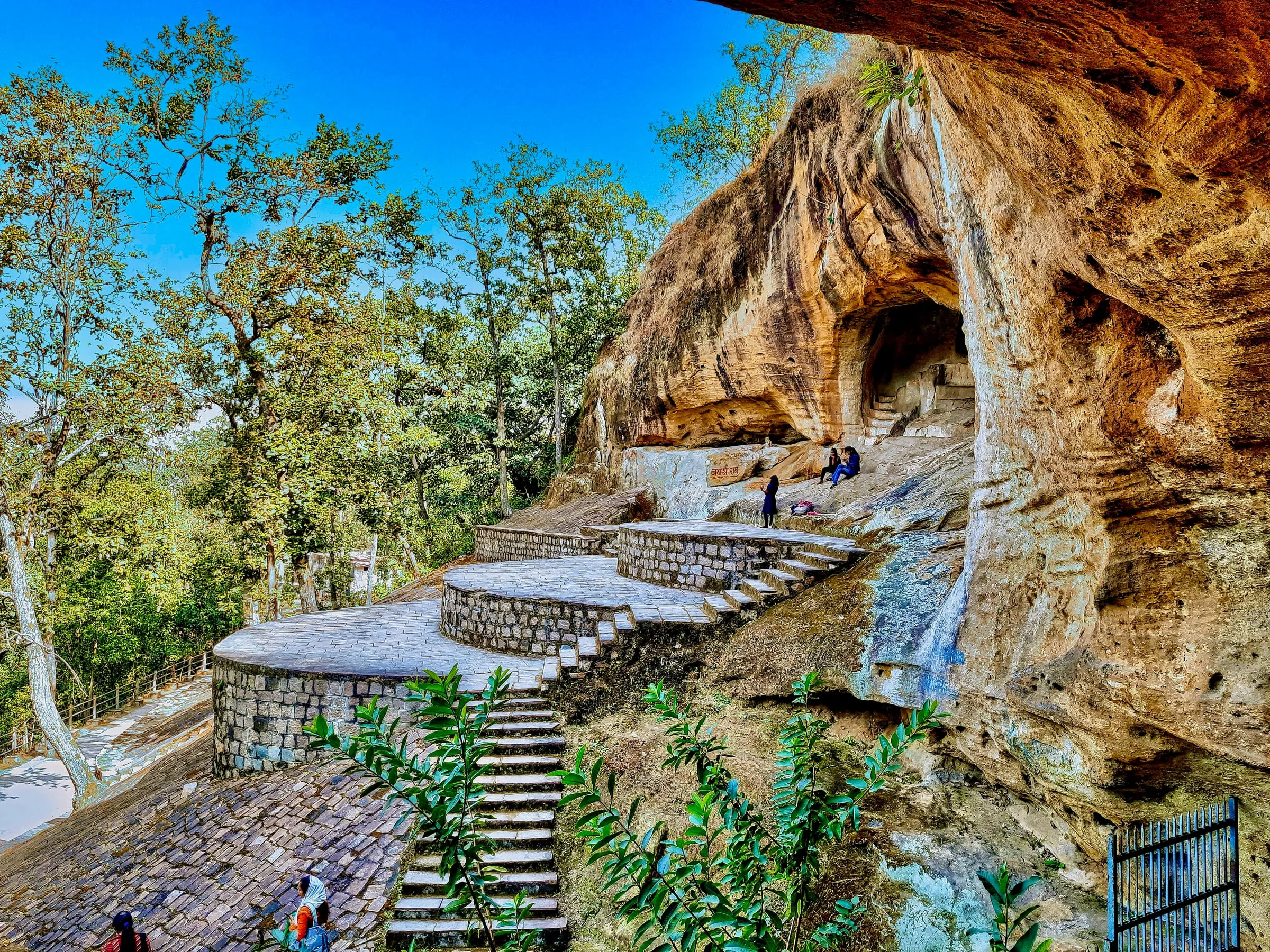
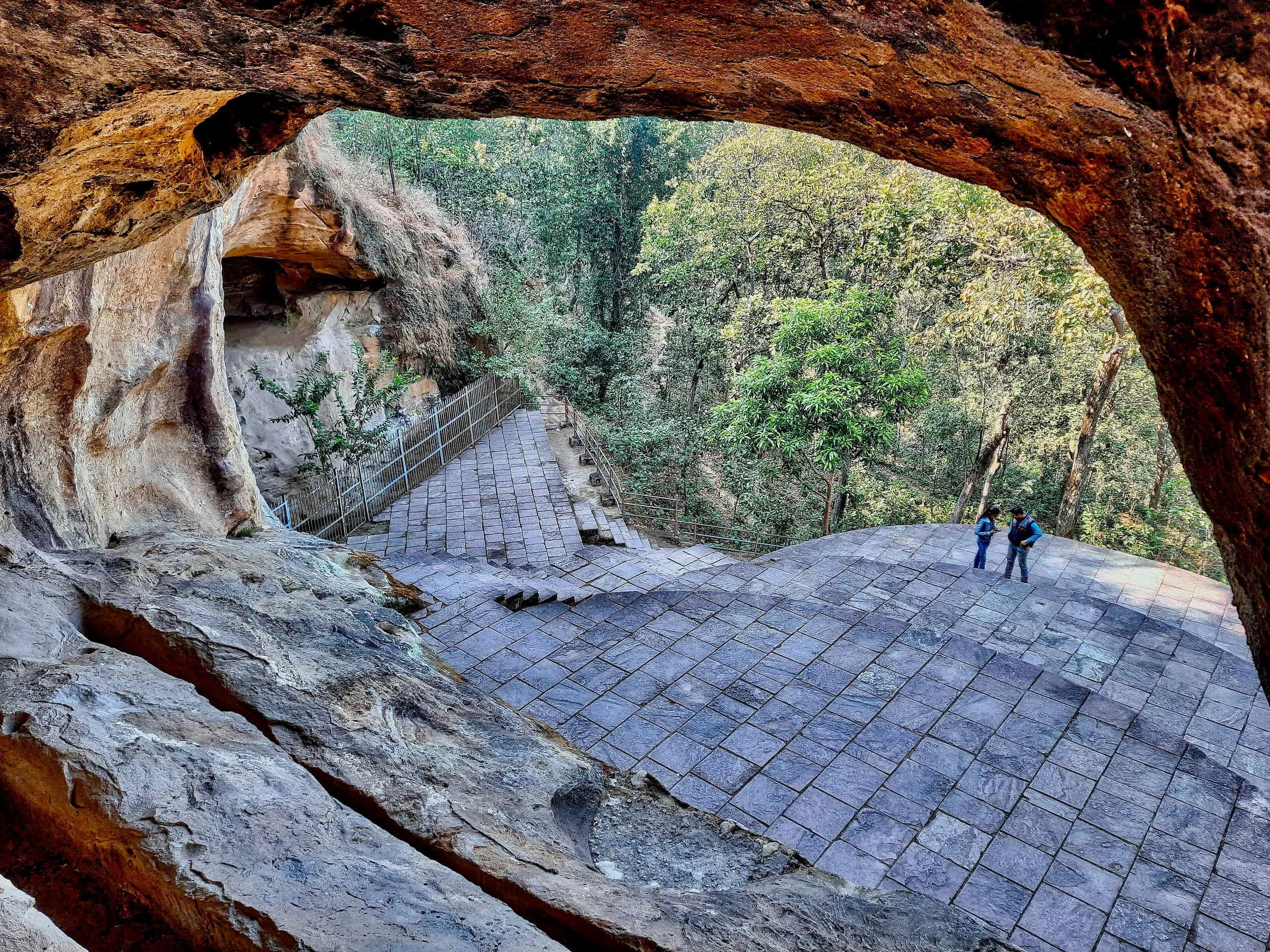
Continue to the Ramgarh hills, about 45–50 km from Ambikapur. A paved path climbs through the forest to two caves dated to around the 3rd–2nd century BCE.
- Sitabengra is cut into the cliff with rising rows of rock benches facing a raised floor. Because of this layout it is often described as one of the oldest theatres in India, though some scholars think it may have been a resting place on an ancient route.
- Jogimara, close by, carries a short inscription in Brahmi script and traces of very old paintings on its ceiling.
Tradition links the hill, known as Ramgiri, with Rama, Sita and Lakshmana, and with Kalidasa, whose exiled yaksha in the Meghaduta sends his message to his beloved from “Ramagiri”. Whether or not the poet ever stood here, it is easy to see why the story stuck.
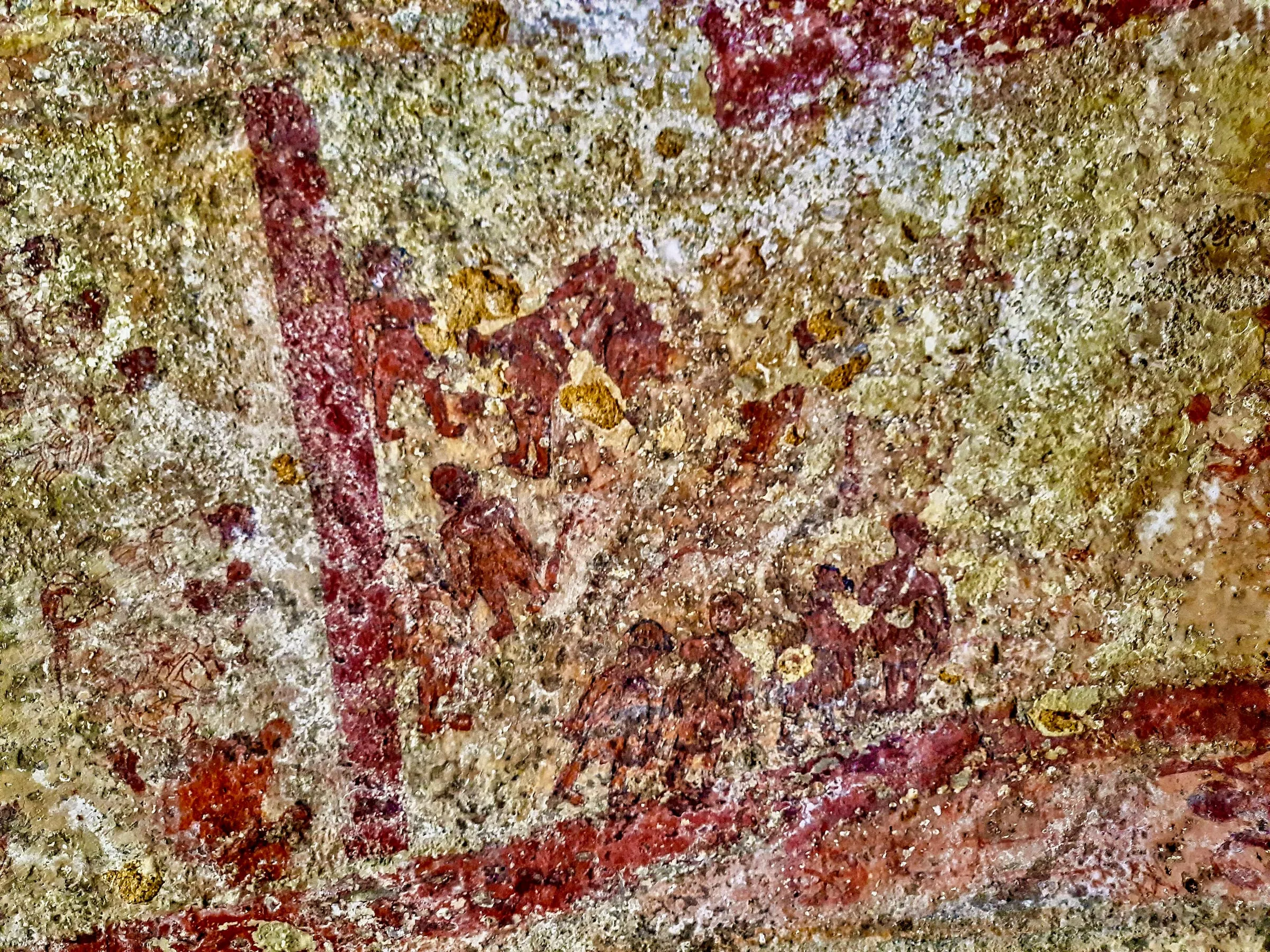
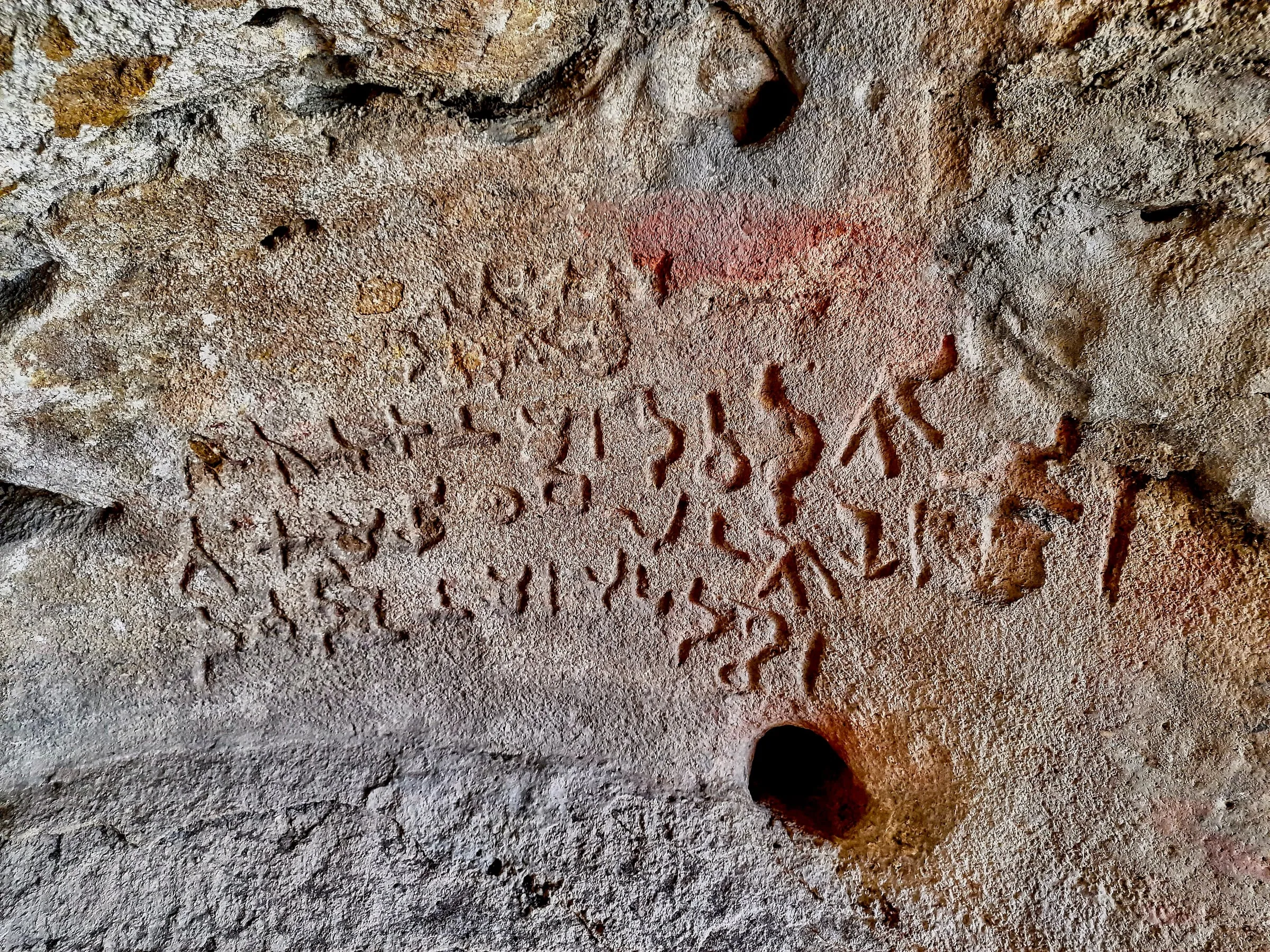
Allow two to three hours on the hill. You’ll be back in Ambikapur by late afternoon.
Day 3: Mainpat, the “Shimla of Chhattisgarh”
Mainpat is a plateau about 50–55 km from Ambikapur, at roughly 1,000 metres, noticeably cooler than the town below. Tibetan refugees were settled here in the 1960s, and their community, monastery and prayer flags give the plateau a character all its own. Woollen carpets and mats woven here make good souvenirs.
Spend the day moving between the viewpoints:
- The Buddhist temple and Tibetan camps, quiet and colourful.
- Tiger Point, a waterfall that pours over a rocky ledge, at its best after the monsoon.
- Ulta Pani, where water appears to flow uphill. It’s an optical illusion, but a convincing one.
- Jaljali, a patch of spongy ground that bounces under your feet.
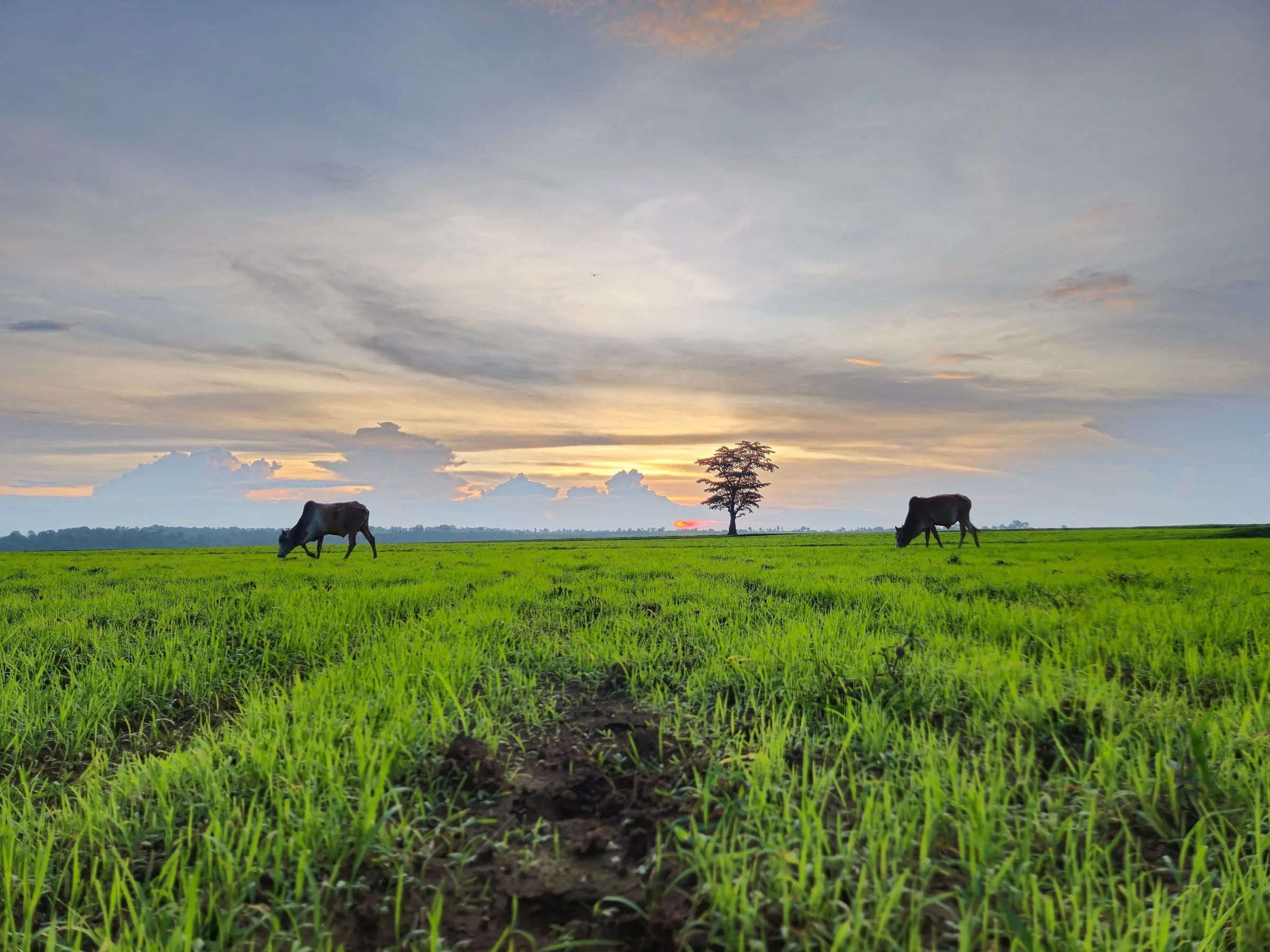
Carry a warm layer from November to February.
The plan at a glance
| Day | Where | Time needed | Good to know |
|---|---|---|---|
| 1 | Maa Mahamaya Temple, Surguja Palace | Half day, in town | Palace traditionally opens only on Dussehra |
| 2 | Satmahala and Ramgarh caves | Full day by taxi | Uphill walk; start early |
| 3 | Mainpat | Full day by taxi | Cooler on the plateau; carry a layer |
Practical tips
- Getting around: the sites are spread out and public transport to them is limited, so a taxi for the day is the easiest option. Ask at our front desk and we’ll help you arrange one.
- Food and water: options near the sites are simple, so carry water and snacks on the longer days, and come back to a hot vegetarian dinner at Atharva.
- Respect the sites: the caves and temple ruins are protected monuments. Don’t touch the paintings or climb on the carvings.
- Distances in this guide are approximate. Roads change, so check the route on the morning you travel.
Planning your trip? Message us on WhatsApp with your dates and we’ll help you put the days together.